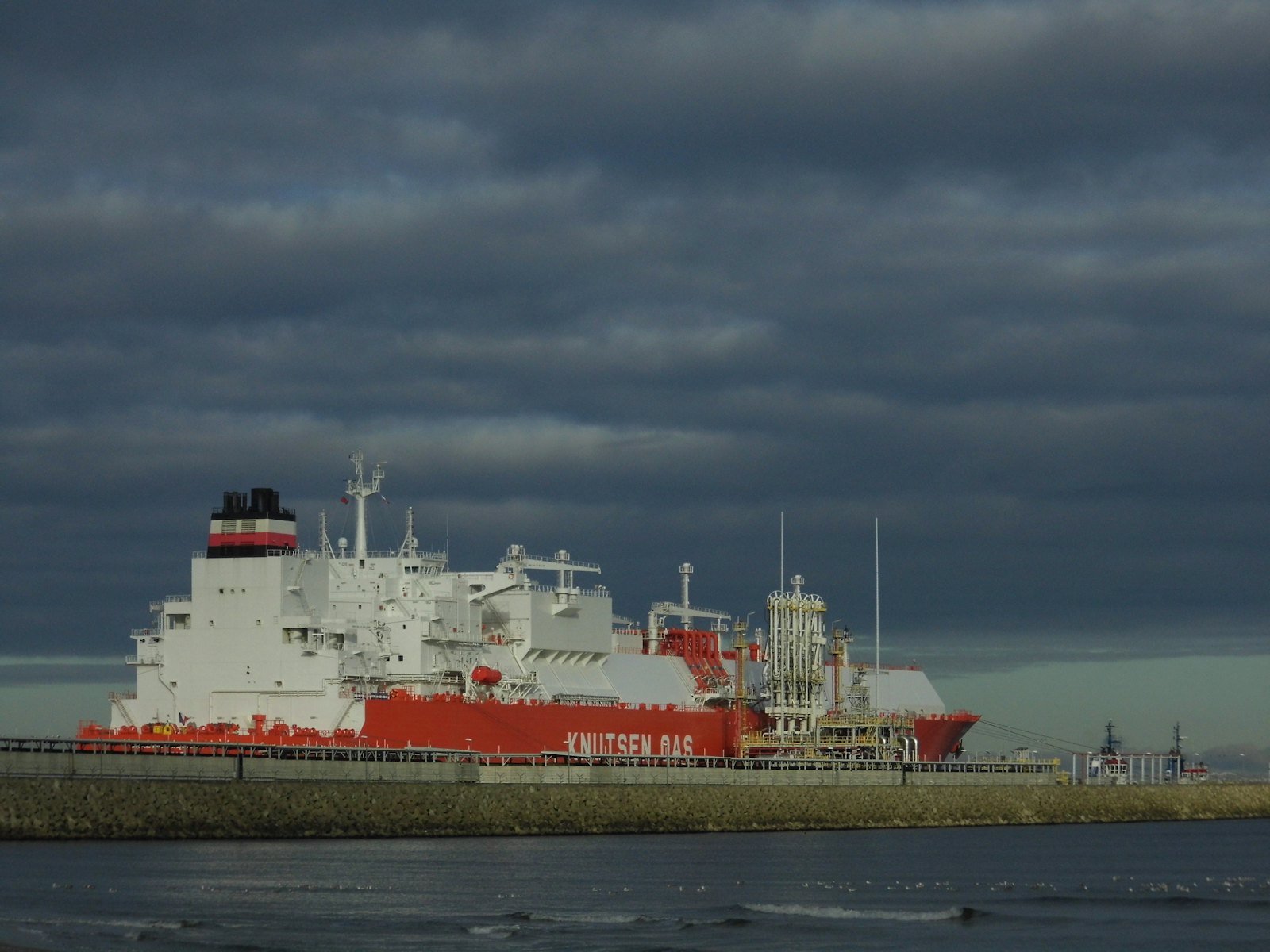
Liquefied natural gas offers industrial consumers a lower-carbon alternative to coal and oil. This primer explains how LNG is produced, shipped and contracted.
Liquefied natural gas is natural gas cooled to approximately minus 162 degrees Celsius, reducing its volume roughly 600 times so that it can be transported by ship. For industrial buyers and power generators without pipeline access, LNG provides a flexible, lower-carbon fuel option.
The LNG chain
Gas is produced, treated and liquefied at an export terminal, loaded onto specialised LNG carriers, shipped to a regasification terminal and returned to gaseous form for pipeline delivery to end users.
Contract structures
LNG is sold on long-term contracts, medium-term deals and spot cargoes. Delivery terms are typically FOB at the liquefaction plant or DES at the receiving terminal. Quality is defined by methane content, gross heating value and Wobbe index.
What buyers should prepare
Access to a regasification terminal or slot, credit support acceptable to the seller, and a clear demand profile. Our team can help buyers assess feasibility before approaching the market.
Articles are provided for general information only and do not constitute an offer, financial or investment advice, or a guarantee of market outcomes.